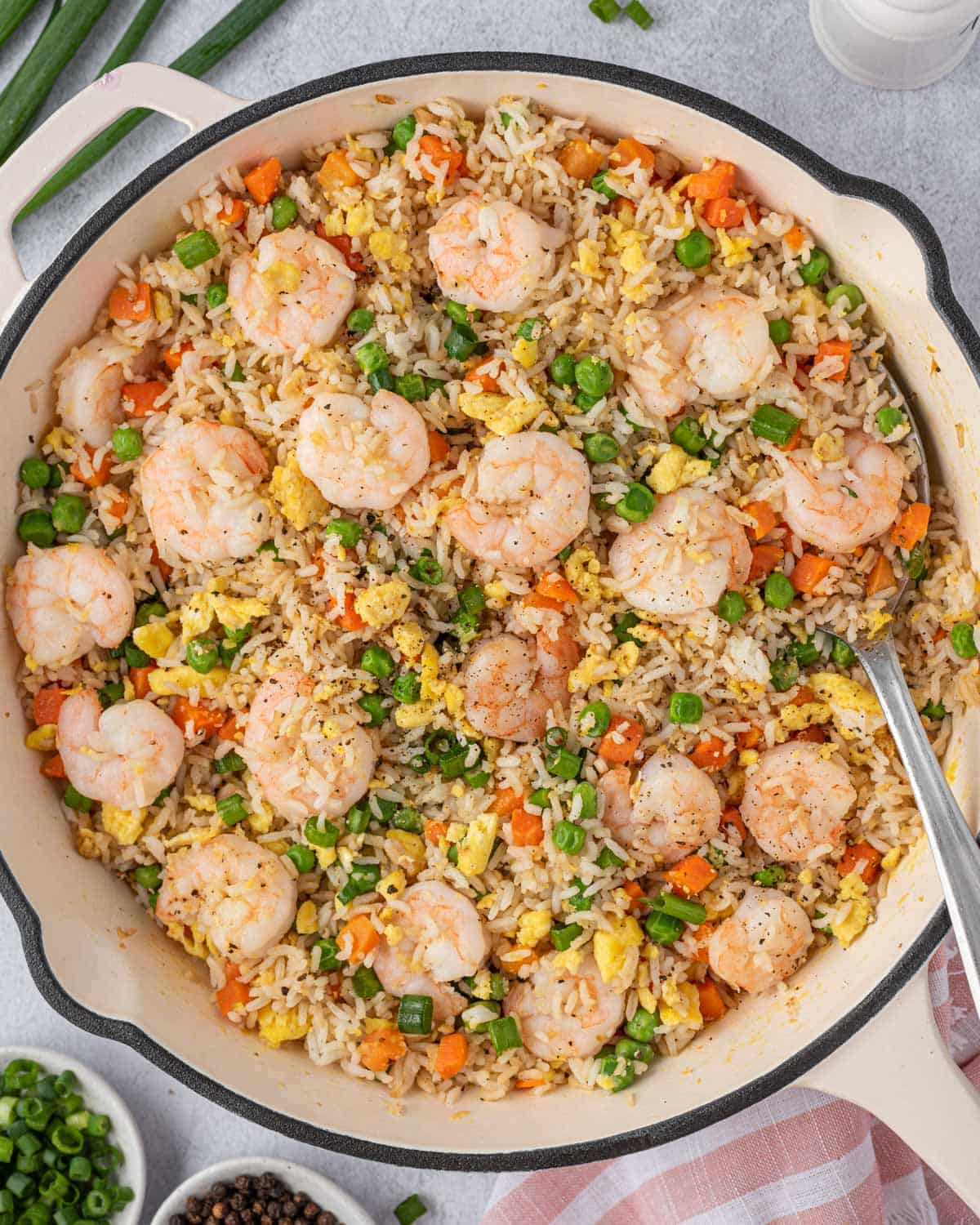
Unlock Flavor Without the Guilt: The Ultimate Low-Calorie Shrimp & Veggie Fried Rice
Craving the savory, comforting taste of fried rice but worried about the usual high calorie and fat content? Prepare to have your culinary world transformed! This comprehensive guide to a low-calorie shrimp and vegetable fried rice recipe proves that healthy eating doesn't mean sacrificing flavor or satisfaction. Forget greasy takeout; we're talking about a vibrant, nutrient-packed dish that's surprisingly easy to make and bursting with fresh ingredients.
Often, the mention of "fried rice" conjures images of heavy, oil-laden meals. But what if we told you it could be a light, wholesome, and incredibly delicious weeknight staple? By making smart choices in ingredients and mastering a few simple techniques, you can enjoy all the goodness of homemade fried rice while keeping your health goals firmly in sight. Get ready to discover your new favorite way to eat fried rice.
Why Choose This Healthy Shrimp and Vegetable Fried Rice Recipe?
Opting for a homemade, low-calorie version of fried rice offers a plethora of benefits that extend far beyond simply cutting calories. This Homemade Shrimp Fried Rice: Restaurant-Worthy Recipe Guide elevates the dish from guilty pleasure to a powerhouse of nutrition:
- Lean Protein Power: Shrimp is an excellent source of lean protein, providing essential amino acids without a high fat content. It cooks quickly, making it ideal for a speedy meal.
- Fiber-Rich Foundation: Unlike traditional fried rice often made with white rice, this recipe champions brown rice. Brown rice offers significantly more fiber, aiding digestion, promoting satiety, and providing sustained energy release. Even if you're usually skeptical of brown rice, its nutty flavor and slightly chewy texture are a fantastic complement to the dish once properly prepared.
- Vegetable Abundance: Packed with a colorful array of vegetables like sugar snap peas, shiitake mushrooms, carrots, bell peppers, celery, bean sprouts, scallions, and watercress, this recipe is a feast for your eyes and your body. Each vegetable brings its unique set of vitamins, minerals, and antioxidants, contributing to overall well-being and a delightful medley of textures and flavors.
- Controlled Sodium & Fat: By preparing it at home, you have complete control over the amount of oil and sodium. Using low-sodium soy sauce and a minimal amount of healthy oil (like canola or olive oil) keeps the dish light without compromising taste.
- Ultimate Freshness: There's no comparison to the vibrancy of fresh ingredients. From crisp vegetables to tender shrimp and aromatic ginger and garlic, every bite is a testament to quality.
The Secret to a Flavorful, Light Fried Rice
Achieving that perfect balance of flavor and light texture in your Easy Shrimp Fried Rice: Delicious, Quick, & Family-Approved comes down to a few critical techniques and ingredient choices. It's not just about cutting calories; it's about smart cooking:
Perfecting Your Brown Rice
The foundation of great fried rice is perfectly cooked rice that isn't clumpy or mushy. For brown rice, this is especially crucial. After cooking, spread the rice in a single layer on a parchment-lined baking sheet. The key is to let it cool and "set" for at least 3-4 hours, or even overnight in the refrigerator. This process dries out the grains slightly, preventing them from sticking together and ensuring they achieve that desirable, separate texture when stir-fried. Think of it as creating individual flavor carriers instead of a soggy mass.
Minimal Oil, Maximum Impact
Traditional fried rice often uses generous amounts of oil. Our low-calorie approach utilizes a small amount of healthy oil (like canola) combined with high heat and strategic additions of chicken stock. This method allows the vegetables and shrimp to achieve that characteristic stir-fried flavor without excessive fat. The high heat ensures quick cooking, preserving the vegetables' crispness and nutrients.
Layered Cooking for Optimal Texture and Flavor
Instead of throwing everything into the wok at once, we cook ingredients in stages. Shrimp is cooked quickly and set aside to prevent overcooking. Harder vegetables and aromatics are stir-fried first, followed by softer ingredients, and finally the rice. This layering technique ensures each component is cooked to perfection, contributing its best texture and flavor to the final dish.
Aromatic Powerhouses: Ginger and Garlic
Freshly minced garlic and grated ginger are non-negotiable in fried rice. These humble ingredients provide an incredible depth of flavor that elevates the entire dish, allowing you to use less salt and fat while still achieving a robust taste profile. Their pungent, aromatic qualities are essential for that authentic fried rice experience.
Essential Ingredients for Your Healthy Shrimp Fried Rice Recipe
Crafting this flavorful and light fried rice starts with a thoughtful selection of fresh, high-quality ingredients. Here’s what you’ll need to gather:
- Brown Rice: ½ cup uncooked, yielding approximately 1½ - 2 cups cooked. Remember, pre-cooking and chilling are vital for the best results.
- Shrimp: 4 ounces small shrimp, peeled, deveined, and cut in half crosswise for even cooking and distribution. Choose fresh or sustainably sourced frozen shrimp.
- Vibrant Vegetables:
- 1½ ounces sugar snap peas or snow peas (strings removed) – for crisp sweetness.
- 3 ounces shiitake mushrooms, stemmed and sliced – for umami depth and a meaty texture.
- 1 stalk thin celery, strings removed, thinly sliced on the diagonal – for a subtle crunch and fresh flavor.
- 1 carrot, peeled and sliced into very thin half-moons – for sweetness and color.
- ¼ red bell pepper, sliced into ¾-inch matchsticks – for a vibrant pop and vitamin C.
- ⅓ cup bean sprouts (heads and tails removed) – added at the very end for a fresh, delicate crunch.
- 2 scallions, sliced into ¾-inch matchsticks – for a mild oniony bite and garnish.
- ⅛ cup watercress leaf – a unique peppery finish for an unexpected touch of gourmet.
- Aromatics: 1 small onion (cut lengthwise ¼-inch thick), 2 garlic cloves (minced), 1 tablespoon grated fresh ginger.
- Flavor Boosters:
- ¼ cup chicken stock (divided) – provides moisture and flavor without added fat.
- 1 tablespoon low-sodium soy sauce – for essential umami and seasoning.
- 1 teaspoon canola oil (divided) – a minimal amount for stir-frying.
- ¼ teaspoon salt and a pinch of black pepper – to season.
Preparing Your Ingredients for Success
To ensure a smooth and enjoyable cooking process, having all your ingredients prepped and ready (mise en place) is crucial for stir-frying. Slice all your vegetables uniformly to ensure even cooking. Peel and devein your shrimp, then cut them if desired. Make sure your chicken stock and soy sauce are combined and easily accessible. This preparation will make the actual stir-frying quick and efficient, exactly as it should be.
Step-by-Step Guide to Cooking Your Perfect Shrimp and Vegetable Fried Rice Recipe
Follow these steps closely to create a truly spectacular, healthy fried rice:
- Prepare the Brown Rice: Combine ½ cup brown rice, ¼ teaspoon salt, and 1¼ cups water in a saucepan. Bring to a boil, then cover and simmer until all water is absorbed and rice is tender, about 30 minutes. Immediately spread the cooked rice in a single layer over a parchment-lined baking sheet and set aside for 3-4 hours to cool and dry. This step is non-negotiable for perfectly textured fried rice.
- Blanch Peas & Prep Sauce: Briefly blanch the sugar snap or snow peas in boiling water for 1 minute; drain and set aside. In a small bowl, combine ¼ cup chicken stock and 1 tablespoon low-sodium soy sauce; set aside.
- Cook the Shrimp: Heat ½ teaspoon canola oil in a large wok or non-stick skillet over high heat until shimmering. Add the prepared shrimp and stir-fry for 2-3 minutes until opaque and bright pink. Remove the shrimp from the wok and set aside.
- Stir-fry Aromatics & Harder Veggies: Add the remaining ½ teaspoon canola oil to the wok. Add the sliced onion and minced garlic, stir-fry for 2 minutes until fragrant. Add 1 tablespoon of the chicken stock/soy sauce mixture, along with the grated ginger, shiitake mushrooms, celery, carrot, and a pinch of black pepper. Continue to stir-fry for 3 minutes, until vegetables start to tenderize but retain some crispness.
- Incorporate Softer Veggies & Shrimp: Add another 1 tablespoon of the chicken stock/soy sauce mixture, along with the bean sprouts and the cooked shrimp. Stir-fry for 1 minute to heat through and combine flavors.
- Add Rice & Finish: Finally, add the cooled brown rice and the remaining 2 tablespoons of the chicken stock/soy sauce mixture to the wok. Stir-fry vigorously for 2 minutes, breaking up any rice clumps and ensuring it's well mixed and heated through. Stir in the blanched peas and sliced scallions, and stir-fry for just 1 more minute.
- Serve: Remove from heat, stir in the fresh watercress leaves, and serve immediately. Enjoy your vibrant, healthy, and incredibly flavorful fried rice!
Pro Tips for Optimal Flavor and Texture
- High Heat is Your Friend: A key to successful stir-frying is maintaining high heat. This creates that desirable slightly charred, wok hei flavor and keeps vegetables crisp.
- Don't Overcrowd the Wok: If your skillet or wok isn't large enough, cook ingredients in batches (especially shrimp and vegetables) to prevent steaming, which leads to soggy results.
- Taste and Adjust: Always taste your fried rice before serving. You might want to add a tiny splash more low-sodium soy sauce, a dash of white pepper, or a pinch of salt to suit your personal preference.
- Variations Welcome: Feel free to experiment with other healthy vegetables like broccoli florets, edamame, or thinly sliced cabbage. For an extra protein boost, you could add a small amount of scrambled egg (cooked separately and folded in at the end) without significantly impacting the low-calorie nature.
Conclusion
This low-calorie shrimp and vegetable fried rice recipe isn't just a meal; it's a testament to the idea that healthy eating can be profoundly delicious and satisfying. By embracing fresh ingredients, smart cooking techniques, and a little patience with your rice, you can transform a typically indulgent dish into a wholesome, flavor-packed experience that you'll be proud to serve. Say goodbye to greasy takeout and hello to your new favorite homemade fried rice – a dish that proves healthy and flavorful truly can go hand-in-hand.
