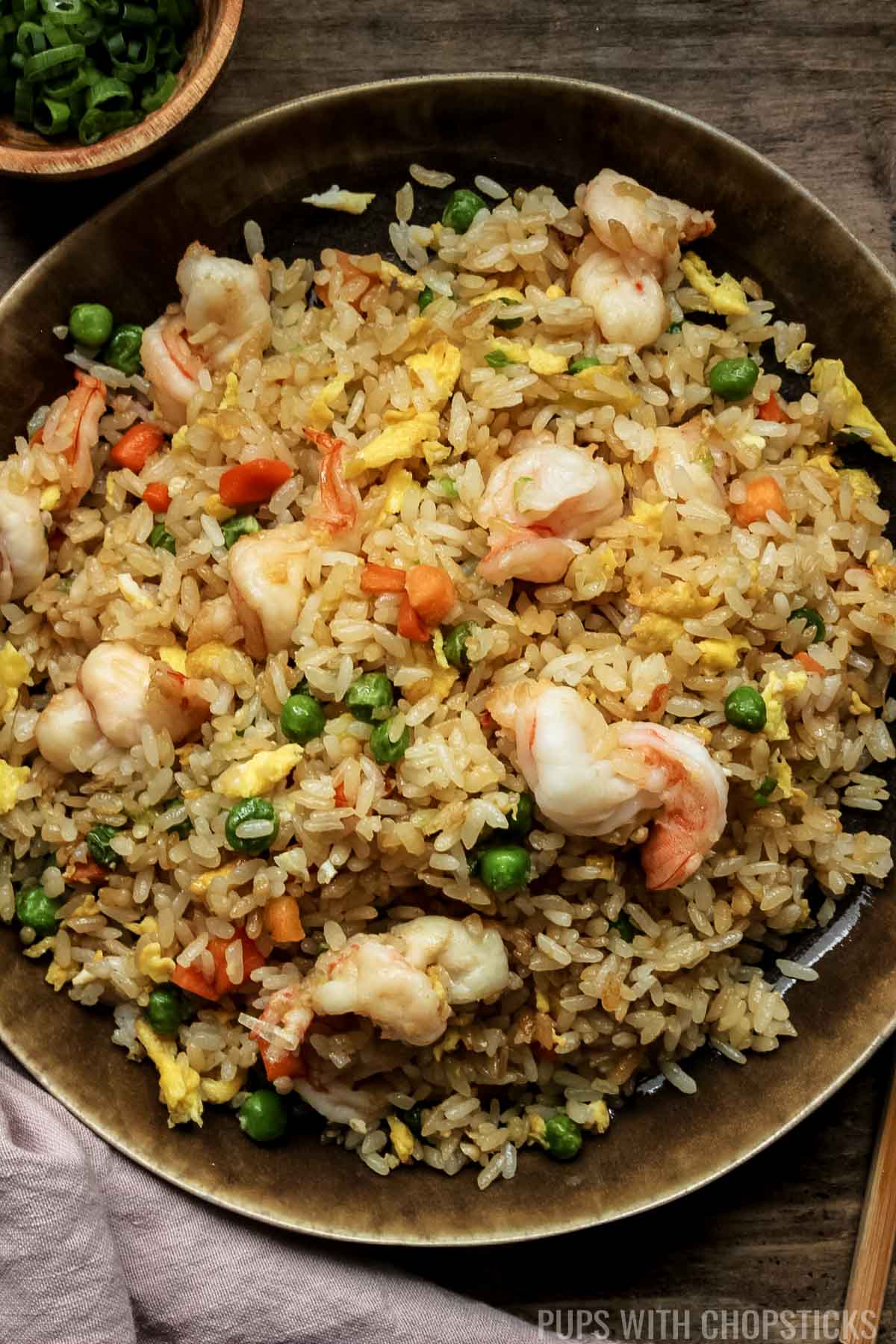
Unlock the Secret to Restaurant-Worthy Homemade Shrimp Fried Rice
Craving the vibrant flavors and satisfying texture of a perfectly executed fried rice, but hesitant to order takeout? Imagine creating a dish that rivals your favorite restaurant, right in your own kitchen! This comprehensive guide will empower you to master the art of easy shrimp fried rice, transforming simple ingredients into a meal that’s bursting with flavor, packed with wholesome goodness, and surprisingly simple to make. Get ready to impress your family and friends with a homemade shrimp and vegetable fried rice recipe that’s truly restaurant-worthy.
Why Homemade Shrimp Fried Rice is a Game-Changer
Opting for a homemade version of this beloved classic offers numerous advantages over its takeout counterpart. First and foremost, you gain complete control over the ingredients. This means choosing fresh, high-quality shrimp, vibrant seasonal vegetables, and managing the amount of oil and sodium to suit your dietary preferences. For instance, using brown rice, as suggested in some culinary circles, can significantly boost the fiber content, making it a more fulfilling and healthier meal option without sacrificing flavor. You can transform your low-calorie shrimp & veggie fried rice into a reality.
Beyond health benefits, there's the undeniable satisfaction of culinary creation. The aroma of garlic and ginger sizzling in the wok, the visual appeal of colorful vegetables, and the tender, succulent shrimp all come together in a symphony of senses. Plus, making it at home is often more economical, allowing you to enjoy this delicious meal more frequently. It’s also incredibly versatile – once you nail the basic technique, you can easily customize your shrimp and vegetable fried rice recipe with different proteins or whatever fresh produce you have on hand.
The Essential Ingredients for Flavorful Shrimp and Vegetable Fried Rice
The magic of a great fried rice lies in the careful selection and preparation of its components. While the list might seem extensive, each ingredient plays a crucial role in building layers of authentic flavor and delightful texture.
The Foundation: Perfect Rice
- Leftover Cooked Rice is King: This is perhaps the most crucial tip for achieving that signature fried rice texture. Day-old (or even 2-day-old) cooked rice, refrigerated and slightly dried out, fries up beautifully, preventing stickiness and clumping. Freshly cooked, warm rice has too much moisture, leading to a gummy texture. Whether it's white jasmine rice or brown rice, ensure it's cold and ideally spread out to air dry a bit before cooking.
- Brown Rice Option: If you're starting from scratch with brown rice, combine ½ cup brown rice with ¼ teaspoon salt and 1 ¼ cups water. Bring to a boil, cover, and simmer for about 30 minutes until tender. Crucially, spread it in a single layer on a parchment-lined baking sheet and let it set for 3-4 hours (or refrigerate overnight) to dry out. This step is non-negotiable for superior texture.
The Star: Succulent Shrimp
- Quality & Quantity: For four servings, approximately 1 pound of uncooked medium shrimp, peeled and deveined, is ideal. Smaller shrimp can be cut in half crosswise for easier eating and distribution throughout the dish.
- Prep: Ensure your shrimp are thoroughly patted dry before cooking to get a good sear.
The Freshness: Vibrant Vegetables
This is where your shrimp and vegetable fried rice recipe truly shines! A mix of fresh and frozen adds both convenience and nutritional value.
- Aromatic Base:
- Garlic: 2 cloves, finely minced (or more to taste for a robust flavor).
- Ginger: 1 tablespoon, freshly grated, adds a warm, zesty kick that is quintessential to Asian cuisine.
- Onion: 1 small onion, cut lengthwise ¼ inch thick, provides a foundational sweetness.
- Green Onions (Scallions): 3 tablespoons, thinly sliced (some for cooking, some for garnish), add a fresh, pungent finish.
- Crunchy & Colorful Additions:
- Shiitake Mushrooms: 3 ounces, stemmed and sliced ¼ inch thick, offer an umami depth.
- Celery: 1 stalk (thin), strings removed, sliced thinly on the diagonal, for crispness.
- Carrot: 1, peeled and sliced into very thin half-moons or matchsticks, for sweetness and color.
- Red Bell Pepper: ¼ (or more), sliced into ¾ inch long matchsticks, for a pop of color and mild sweetness.
- Sugar Snap Peas or Snow Peas: 1 ½ ounces, strings removed, blanched for 1 minute, then drained and set aside. These add a delightful snap.
- Bean Sprouts: ⅓ cup, heads and tails removed, for freshness and a delicate crunch (add at the very end).
- Watercress Leaf: ⅛ cup, stirred in just before serving, adds a peppery note and elegant finish (optional, but a sophisticated touch).
- Frozen Mix (Optional): 1 cup frozen peas and carrots, ½ cup frozen corn can be used for convenience, though fresh often provides better texture.
The Flavor Boosters: Oils, Sauces & Seasonings
- Oils: A combination works best.
- Canola Oil or Olive Oil: 1 tablespoon, divided, for high-heat cooking.
- Sesame Oil: 2 tablespoons (or a drizzle at the end for aroma), adds an unmistakable nutty fragrance.
- Sauces:
- Low-Sodium Soy Sauce: 3 tablespoons (or more to taste), provides the savory base. Low-sodium is crucial to control overall saltiness.
- Chicken Stock: ¼ cup, divided, adds moisture and depth of flavor without over-salting.
- Seasonings:
- Salt: ½ teaspoon, or to taste (remember soy sauce is salty).
- Black Pepper: ½ teaspoon, freshly ground, or to taste.
- Eggs (Optional but Recommended): 3 large eggs, lightly beaten, add richness and protein.
Mastering the Wok: Step-by-Step Guide to Restaurant-Quality Fried Rice
The secret to perfect fried rice lies in high heat and quick cooking. This means having all your ingredients prepped and ready before you even turn on the stove – a technique known as mise en place.
Step 1: Preparing Your Ingredients (Mise en Place)
Chop all vegetables, mince garlic and ginger, slice green onions, peel and devein shrimp. If using brown rice, ensure it's cooked and dried. If using fresh peas, blanch them for 1 minute and set aside. In a small bowl, combine chicken stock and soy sauce; set aside. Lightly beat the eggs if using.
Step 2: Cooking the Shrimp
- Heat ½ tsp canola or olive oil in a large nonstick skillet or wok over high heat until shimmering.
- Add shrimp in a single layer and cook until bright pink outside and opaque, about 2-3 minutes, flipping halfway through.
- Transfer shrimp to a plate and set aside. Do not overcrowd the wok; cook in batches if necessary.
Step 3: Sautéing the Eggs (if using)
If you're adding eggs, you have two options:
- Push cooked shrimp to one side of the wok (if space permits), add a tiny bit more oil, and scramble the eggs until cooked through, then remove to a plate with the shrimp.
- Alternatively, cook them in a separate pan, then break them into pieces and add them back later.
Step 4: Stir-Frying Vegetables and Aromatics
- Add the remaining ½ tsp canola/olive oil to the wok. If using sesame oil, add a portion here for initial flavor.
- Add onion and minced garlic. Stir-fry for 1-2 minutes until fragrant.
- Add 1 tablespoon of the chicken stock/soy sauce mixture, grated ginger, shiitake mushrooms, celery, carrot, and bell pepper. Add a pinch of black pepper. Stir-fry for 3-4 minutes, until vegetables are tender-crisp.
Step 5: Bringing It All Together
- Add another 1 tablespoon of the stock mixture, bean sprouts, and the cooked shrimp (and scrambled eggs, if using) to the wok. Stir-fry for 1 minute.
- Add the dried, cold rice to the wok along with the remaining 2 tablespoons of stock mixture. Use a spatula to break up any clumps of rice and stir-fry for 2-3 minutes, ensuring the rice is heated through and lightly toasted.
- Stir in the blanched peas and most of the sliced green onions (reserving some for garnish). Stir-fry for 1 minute more.
- Finally, stir in the watercress leaf (if using) for a last burst of freshness.
- Taste and adjust seasonings with additional soy sauce, salt, or pepper as needed.
Pro Tips for Elevating Your Shrimp Fried Rice
- High Heat is Non-Negotiable: A super hot wok or skillet is crucial for that characteristic smoky flavor (wok hei) and preventing soggy rice. Don't be afraid to let it get hot!
- Don't Overcrowd the Wok: Cook in batches if your wok isn't large enough. Overcrowding lowers the temperature and steams the food instead of frying it, leading to a mushy texture.
- Mise en Place (Everything in its Place): As mentioned, have all ingredients prepped and near your cooking station. Fried rice cooks quickly, and you won't have time to chop mid-stir-fry.
- Customize Your Veggies: Feel free to experiment with other vegetables like broccoli florets, baby corn, or spinach. Just consider their cooking times – harder vegetables first, softer ones later. This shrimp and vegetable fried rice recipe is incredibly adaptable.
- Add Umami Boosters: A dash of oyster sauce (if not strictly vegetarian) or a spoonful of fish sauce can add an extra layer of savory depth.
- Seasoning in Layers: Don't dump all the soy sauce at once. Add it gradually, tasting as you go, especially since the chicken stock also contributes to saltiness. A tiny pinch of sugar can also balance the flavors beautifully.
Conclusion
Creating restaurant-worthy homemade shrimp and vegetable fried rice is an incredibly rewarding culinary adventure. By understanding the importance of cold, day-old rice, preparing your ingredients meticulously, and mastering the high-heat stir-fry technique, you can consistently achieve a dish that's far superior to any takeout option. This recipe is not just about cooking; it's about building layers of flavor and texture that delight the senses. So, gather your ingredients, fire up your wok, and get ready to enjoy a healthy, flavorful, and truly satisfying meal that you'll be proud to call your own.
